



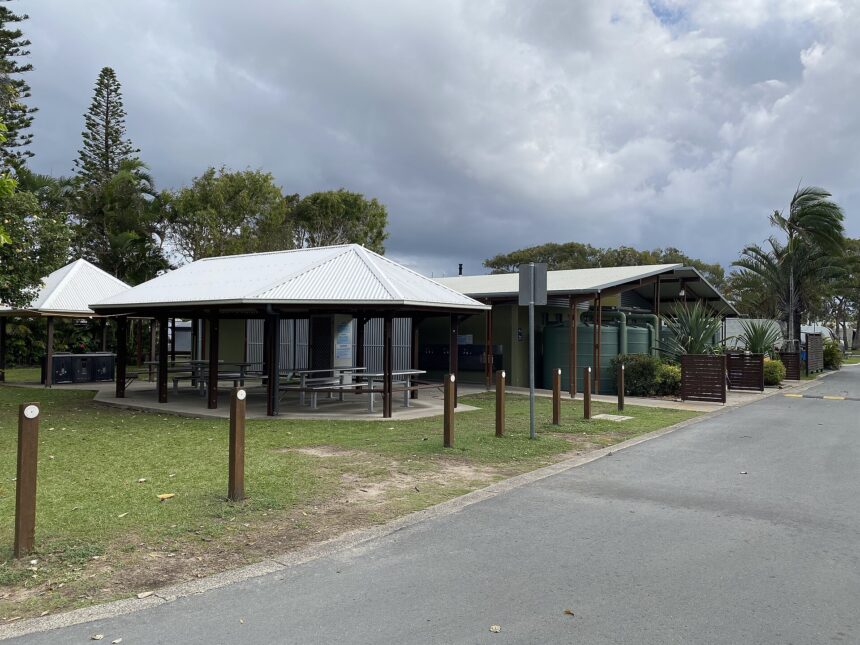
“Budget accommodation” covers several quite different arrangements, and each is governed by different rules. This guide explains what Queensland and Brisbane City Council sources say about shared-bathroom budget accommodation buildings, caravan parks and cabins, and camping, then sets out the booking rights that apply across them. It recommends no properties and quotes no nightly prices, because those belong to the operators and change often. Everything below was checked on 9 November 2026.
Backpacker and shared-bathroom buildings
The Queensland Government describes budget accommodation buildings as places where six or more unrelated people have shared access to a bathroom or sanitary facilities. That definition appears in a 14 July 2018 ministerial statement, so treat it as a description of how the category has been explained rather than the current legal text. The same statement says inspectors routinely check boarding houses, backpackers, share houses and pubs.
The statement says legislation was passed to regulate budget accommodation buildings and fire safety standards after the Palace Backpacker Hostel fire at Childers, which claimed 15 lives in 2000. It says fire safety mechanisms are now required, including fire safety management plans, emergency lighting and early warning systems.
Caravan parks, cabins and tents
In Brisbane, council regulates caravan parks and relocatable home parks under the Caravan Parks and Relocatable Home Parks Local Law 2000. Council says the aim is for parks to be properly operated, well maintained, clean and hygienic, and equipped with suitable facilities for guests. Its permit page says a permit is needed to use land for cabins, caravans, relocatable homes, or tents and other structures that can be readily assembled or disassembled.


Stays in caravans and cabins can also fall under tenancy law. The Residential Tenancies Authority fact sheet says the Residential Tenancies and Rooming Accommodation Act covers short term moveable dwelling tenancies of up to 42 days, along with long term tenancies, but does not apply to holiday lettings. In a short term tenancy a written agreement is not necessary, but there must be a Short Tenancy Statement. The maximum bond is two weeks rent. A short term tenancy can be extended for a second term of 42 days, but only once; after that it becomes a long term tenancy. Park rules made by the owner or manager become part of the tenancy agreement, and a short term tenancy can be ended without grounds on at least two days notice from the owner or manager, or one day from the tenant. The fact sheet is undated in the copy read, so check the RTA’s current material before relying on those details.
Camping in parks and forests
The Queensland Government says a camping permit is needed to camp in the state’s parks and forests, and it must be booked and paid for before you arrive. Most bookings are made online through the Queensland National Parks Booking Service, and the permit is issued by email.
Moreton Island is a Brisbane-area example that council describes. It says you can stay in a dedicated campground with facilities or at a secluded beach camping site. Sites, camping permits and vehicle permits are arranged through Mulgumpin (Moreton Island) Camping, and a camping tag showing your booking number must be displayed at the campsite. Beach campers need to bring their own essentials, including drinking water and rubbish bags, and pets cannot be brought to the island.
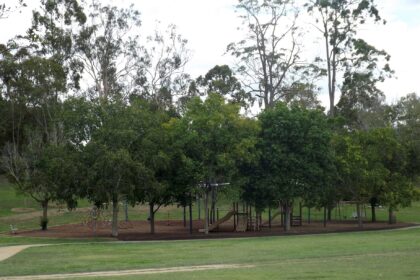
Camping in ordinary council parks is a different matter. Council’s community guideline for park use lists camping among example activities that require a park use consent.
Booking rights that apply across types
On booking rights, CHOICE says your rights around cancelling are subject to the provider’s terms and conditions, unless a major failure or disruption has occurred. It also says the Australian Consumer Law bars excessive cancellation fees, which should reflect only the reasonable costs already borne by the operator. If you arrive and the room you reserved is not available, CHOICE says this counts as a major failure.
On pricing, CHOICE says providers cannot promote a price that leaves out costs unless the final expected price is also prominently featured in the same advertisement. The ACCC explains that when a service has a major problem, consumers have a right to alter their agreement with the provider, and that someone who has paid upfront has the right to get some money back, with the amount depending on how much of the service was provided without problems. The ACCC adds that it does not resolve individual disputes or give legal advice on these rights.
Checks worth making before you pay
CHOICE suggests reading the booking terms to find out if there are any penalties for cancelling, and finding out about extra costs such as Wi-Fi or parking charges.
Frequently asked questions
What counts as budget accommodation under Queensland rules?
A 2018 Queensland Government statement describes budget accommodation buildings as places where six or more unrelated people share access to a bathroom or sanitary facilities.
Do I need a permit to camp in a Queensland park or forest?
The Queensland Government says a camping permit is needed and must be booked and paid for before you arrive.
Can I get a refund if I change my mind about a booking?
CHOICE says rights to cancel are subject to the provider’s terms unless a major failure or disruption has occurred, and that excessive cancellation fees are barred.
Do short caravan park stays have tenancy protections?
The RTA fact sheet says the tenancy Act covers short term moveable dwelling tenancies of up to 42 days but does not apply to holiday lettings.